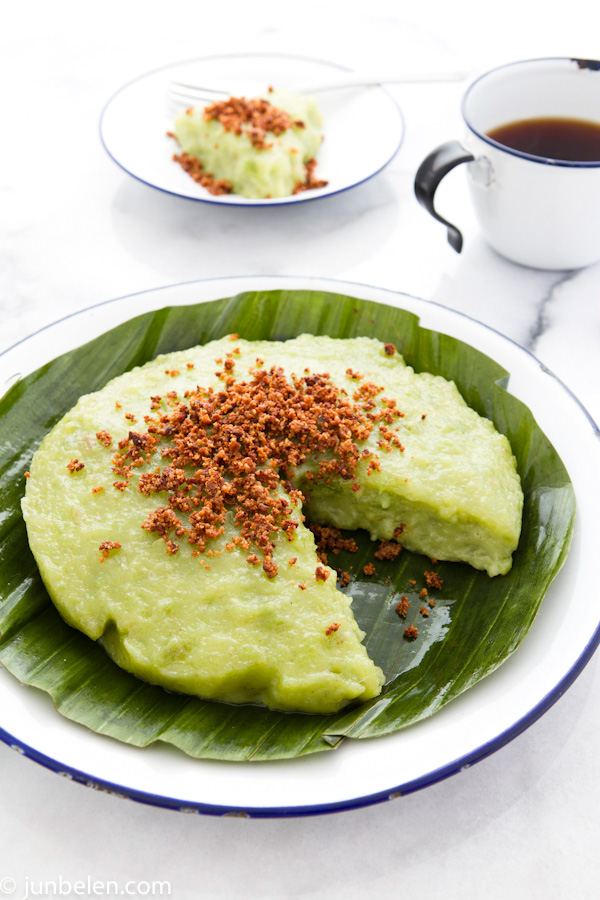
The rice cake is stunningly green. As green as young shoots burgeoning in spring. As green as rice fields in the bucolic countryside back home. The sticky cake’s remarkable greenness becomes even more palpable against the dark verdant banana leaves on which it is nestled.
It’s not everyday that I make kalamay na pinipig [kah-lah-mahy nah pee-nee-pig] not because it is difficult to make. In fact, making kalamay is so simple. Incredibly simple. With only three ingredients: sticky rice, coconut milk, and sugar, kalamay is cooked in a pan on a stovetop over a timid flame until it becomes thick like thick, gummy oatmeal. It is then poured into a shallow dish or a cake pan lined with banana leaves that have been brushed lightly with oil and allowed to cool until the cake becomes a little firmer but still soft and chewy — makunat [mah-koo-naht] as Filipinos describe it.
I don’t make kalamay na pinipig as often as I would like because green pinipig is difficult, if not impossible, to find close to where I live. I make it only when my mom visits because I depend entirely on her pasalubong, on her care package of green pinipig along with bags of Barako coffee from Cavite and a jar of bagoong alamang from Pangasinan. Hush! I know, it’s undeclared shrimp paste.
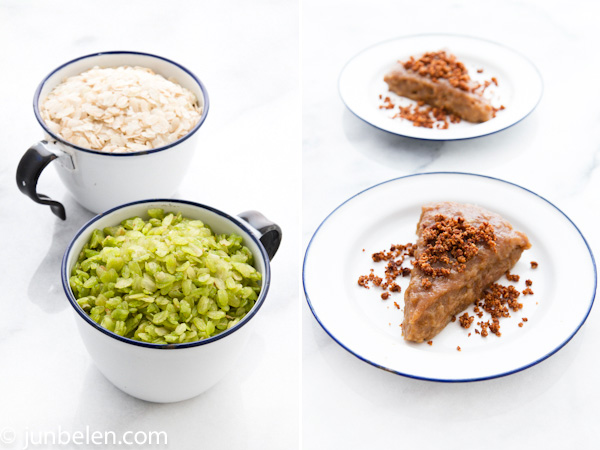
Pinipig is sticky or glutinous rice, harvested when the grains are still young, winnowed, toasted, and pounded until they become flat like oats. The maturity of the rice and how much the grains are toasted dictate the color of pinipig, which can either be green or pale brown. Aside from the obvious difference in color, the two varieties also differ in taste. Green pinipig has a subtle sweetness and creaminess that the more common pale brown variety doesn’t have, which by the way is readily available in most Asian stores.
In Vietnam, young green rice is called com. In Thailand, it is kao mow. Filipinos cook with pinipig in a number of ways. Very sticky kalamay is one of them. Ginataang pinipig is another, which is a sweet stew of pinipig, sweet potatoes, and saba bananas slowly simmered in gata, or coconut milk, and sweetened with sugar. Pinipig is often toasted in a hot wok and sprinkled on top of halo-halo and rice cakes to give these native desserts an extra layer of flavor and crunch. Toasted pinipig is also coarsely ground and mixed with powdered milk to make the popular powdery polvoron candies.
If you ever luck out to discover the elusive green pinipig sitting on the shelves of a Vietnamese store or packed clandestinely inside a balikbayan box from Manila, give the green sticky kalamay a try. Use white sugar instead of muscovado or brown sugar for a brighter green cake. And never forget the fragrant latik. Its coconut flavor and texture complements the cake’s chewiness beautifully.
Kalamay na Pinipig Recipe
Recipe adapted from Enriqueta David-Perez’s Recipes of the Philippines, makes one 9-inch cake
3 cups pinipig
2 13.5 ounce cans coconut milk
1 cup muscovado sugar when using pale brown pinipig, or white sugar when using green pinipig
2 tablespoons latik or toasted coconut milk crumbs
Pour the contents of one can of coconut milk in a bowl. Add the pinipig and let it soak in coconut milk for at least half an hour.
Combine sugar and the contents of the second can of coconut milk in a large pan. Bring the coconut milk to a boil over medium-high heat and let the sugar dissolve. Add pinipig and coconut milk, turn the the heat down to medium-low, and stir constantly until it becomes thick like thick, gummy oatmeal. Pour into a shallow dish or a cake pan lined with banana leaves brushed lightly with oil and let the cake cool to room temperature. Serve with latik sprinkled on top.
Latik — Toasted Coconut Milk Crumbs Recipe
1 13.5-ounce can coconut milk
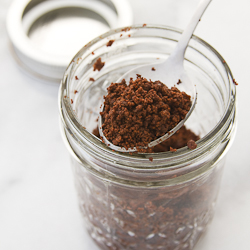
Bring coconut milk to a boil in a saucepan and simmer gently over low heat while stirring frequently. Continue to simmer until the milk reduces to a thick cream, about an hour. Continue heating and stirring until the cream separates into coconut oil and latik. Turn the heat off as soon as the crumbs turn a deep caramel brown color. Drain the coconut oil, which can be used for sautéing and baking. Latik will keep for a week stored in an air-tight container in the refrigerator.
Pingback: Only in the Philippines « Storm In My Kitchen()
Pingback: How to Make Pinipig Polvoron | Jun-Blog()
Pingback: Kalamay (Sweet Stcky Rice Cake with Sweet Coconut Glaze). alternate here: blog.j… – Ivy Christian Brewer – Valentines()
Pingback: Kalamay (Sweet Stcky Rice Cake with Sweet Coconut Glaze). alternate here: blog.j… – Mary-Grace Viloria – Valentines()
Pingback: How to Make "Kalamay na Pinipig" (Pinipig Rice Cake) Read more: blog.junbelen.co... - Mila Taylor - Filipino desserts()
Pingback: Kalamay (Sweet Stcky Rice Cake with Sweet Coconut Glaze). alternate here: blog.j… – myrla centeno – Valentines()
Pingback: Kalamay (Sweet Stcky Rice Cake with Sweet Coconut Glaze). alternate here: blog.j… | 2661 – Typical Miracle()