When I was little, I had a debilitating aversion for vinegar. My mom often cooks with cane vinegar to make stews like adobo and paksiw, which I have always loved, but vinegar in its pure form was what I found utterly repulsive. I detested how its pungent vapor climbs up the back of my nose and fills my mouth with a lingering, biting taste. Vinegar with chicharrón? No, thank you. I cringed whenever my dad dipped his ukoy (shrimp fritters) in a pool of vinegar and wolfed them down with ice-cold San Miguel beer. He kept a stash of vinegar infused with siling labuyo (bird’s eye chilies) in a tall bottle in our pantry, which I never dared lay my hands on.
You can just imagine the torment I had to endure when I had mumps and my mom wrapped my jaws with a towel soaked in vinegar. The foolproof home remedy promised relief from pain and swelling but all I fervently prayed for was relief from the vinegar’s keenly distressing smell. My mom even tried masking the obnoxious scent by mixing vinegar with my favorite cologne but, alas, my misery prevailed.
Apart from vinegar, nothing else fazed me at the dinner table as a kid. I was a fearless eater and still am, who will try almost anything. Fish heads? Bring it on. Beef tripe? Sure, why not. Pig ears? Pass the ears, please. My mom cooked everything from beef tongue to pork liver and I willingly obliged to taste and try whatever was on my plate. Even pig’s blood.
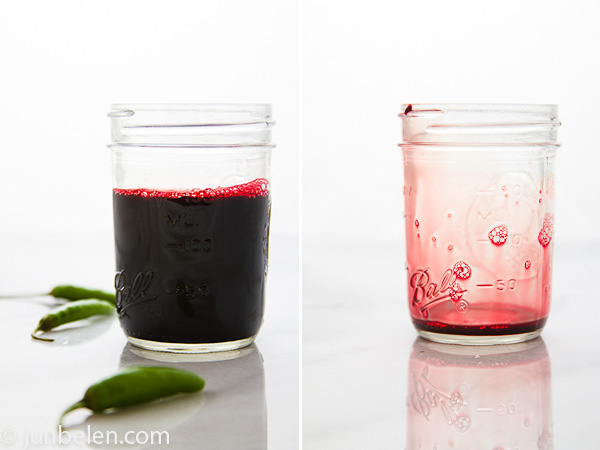
Dugo [doo-goh] is Filipino for blood. Dinuguan [dee-noo-goo-ahn] is blood stew. Meat and innards are simmered in vinegar and fresh blood. Yes, you heard right, fresh blood. Filipinos are incredibly frugal and resourceful. While making ends meet, my people leave no food to waste and use every part of a bird or a pig even its own blood.
The versions of dinuguan, like any Filipino dish, are as varied as the Philippine islands. Most versions use pork. Some use beef while others use chicken. Most cook only with vinegar while some add coconut milk. Even its name varies from island to island. Dinardaraan in Ilocos. Tid-tad in Pampanga. Sinunggaok in Batangas. Sampayna in Northern Mindanao.
The pig’s stomach, intestines, heart, snout, cheeks, and ears are cut into pieces and are all thrown into the mix together with the pig’s meatier butt and belly. The meat and offal are slowly simmered in vinegar seasoned with salt, garlic, onions, tomatoes, and hot chilies. The pig’s blood is then added to the simmering stew while it is stirred steadily to keep the blood from curdling. The blood stew is served over a heap of steamed rice with shrimp paste or fish sauce. The fusion of acid and spice also makes dinuguan a perfect match for the subtly sweet steamed rice cakes called puto.
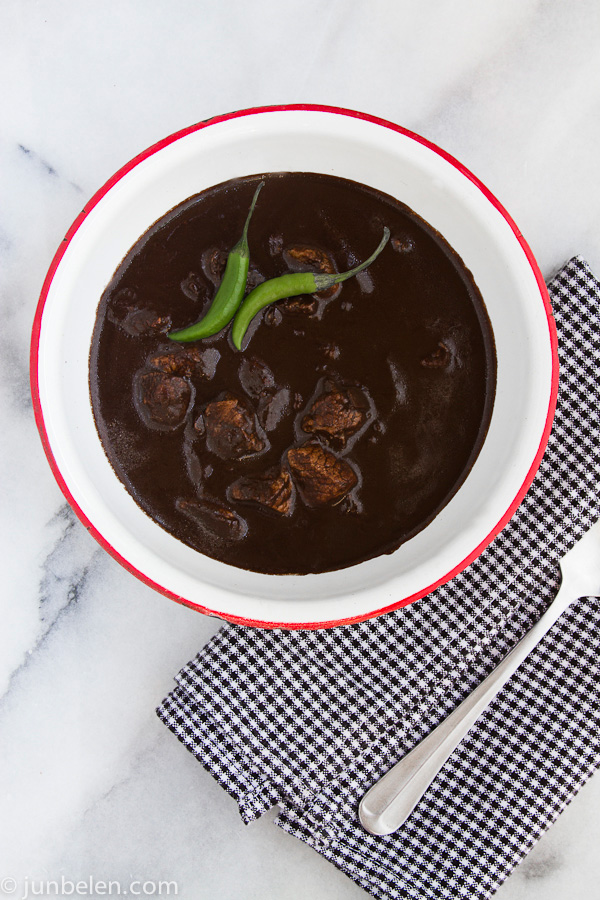
Dinuguan may sound intimidating or even appalling for some. It has pork blood, for crying out loud! But the heat and acid magically transform the blood into a thick, deep brown, savory sauce that simply begs to be tried. Like what my mom used to tell me, you’ll never know if you’ll like it until you give it a try.
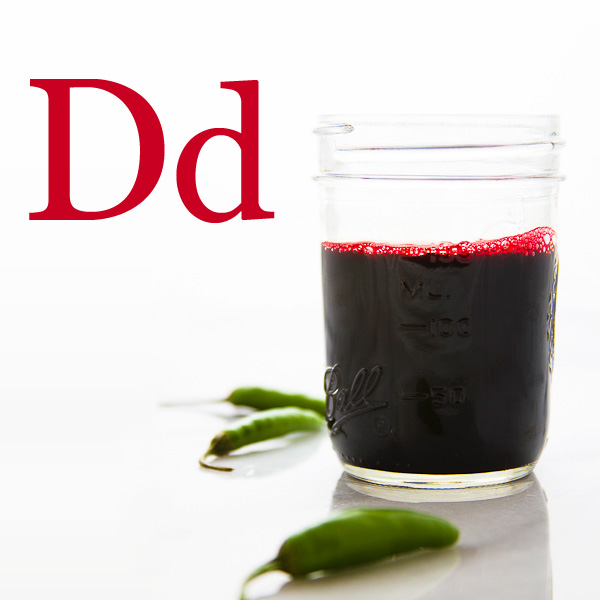
Dinuguan Recipe, makes four servings
1 pound pork butt or pork belly, cut into 1-inch cubes
1 tablespoon canola oil
2 cloves garlic, thinly sliced
1 small onion, thinly sliced
1 small tomato, thinly sliced
1/2 cup white vinegar
1 cup water
2 teaspoons salt, more to taste
1 cup pork blood
1 to 2 Thai chilies
Brown pork in oil or its own fat in a pot over medium to high heat. Transfer the pork to a plate as they finish browning. Saute garlic, onions, and tomatoes until fragrant and softened, about 5 minutes. Place the pork back into the pot. Add vinegar, water, and salt but do not stir. Bring to a boil and simmer until pork is tender, about 15 to 20 minutes. Add blood while stirring the pot steadily to keep the blood from curdling. Add the chilies and bring to a boil. Simmer until stew has thickened, about five minutes. Add salt to taste.
Cooking Notes:
1. Use equal parts pork butt and pork belly. The fat in the pork belly eliminates the need for canola oil and adds more flavor to the blood stew.
2. For the adventurous, in addition to pork butt and belly throw in some pork entrails like stomach, intestines, heart, and even the pig’s snout, cheeks, and ears. Just make sure your source of pork offal can be trusted.
Learn the alphabet of Filipino food through our glossary. So much is lost in translation, I know, but I hope this glossary will help those unfamiliar with Filipino food become more informed.
A is for Achuete
B is for Barako Coffee
C is for Camarón
D is for Dinuguan
Pingback: E is for Ensaimada (Filipino-Style Brioche) | Jun-Blog()
Pingback: Food blog: Kanin Club « For the love of life.music.food()
Pingback: L is for Longganisa (Filipino-Style Sausage) | Jun-Blog()
Pingback: N is for Noche Buena | Jun-Blog()
Pingback: O is for Omelet and How to Make Tortang Talong (Eggplant Omelet) | Jun-Blog()
Pingback: P is for Pancit Palabok | Jun-Blog()
Pingback: H is for Himagas and How to Make Brazo de Mercedes | Jun-Blog()
Pingback: Q is for Queso and How to Make Cheddar Cheese Ice Cream and Peanut Brittle | Jun-Blog()
Pingback: F is for Fish Balls and How to Make Sweet and Sour Sauce | Jun-Blog()
Pingback: J is for Jackfruit and How to Make Pan de Sal Bread Pudding | Jun-Blog()
Pingback: K is for Kamayan and How to Make Fish Paksiw | Jun-Blog()
Pingback: R is for Relleno and How to Make Rellenong Alimasag (Filipino-style Stuffed Crabs) | Jun-Blog()
Pingback: Giada De Laurentiis’s Filipino Chicken Adobo, Cultural Appropriation and the White Savior « Travel, Food & Booze: Sarahlynn Pablo()